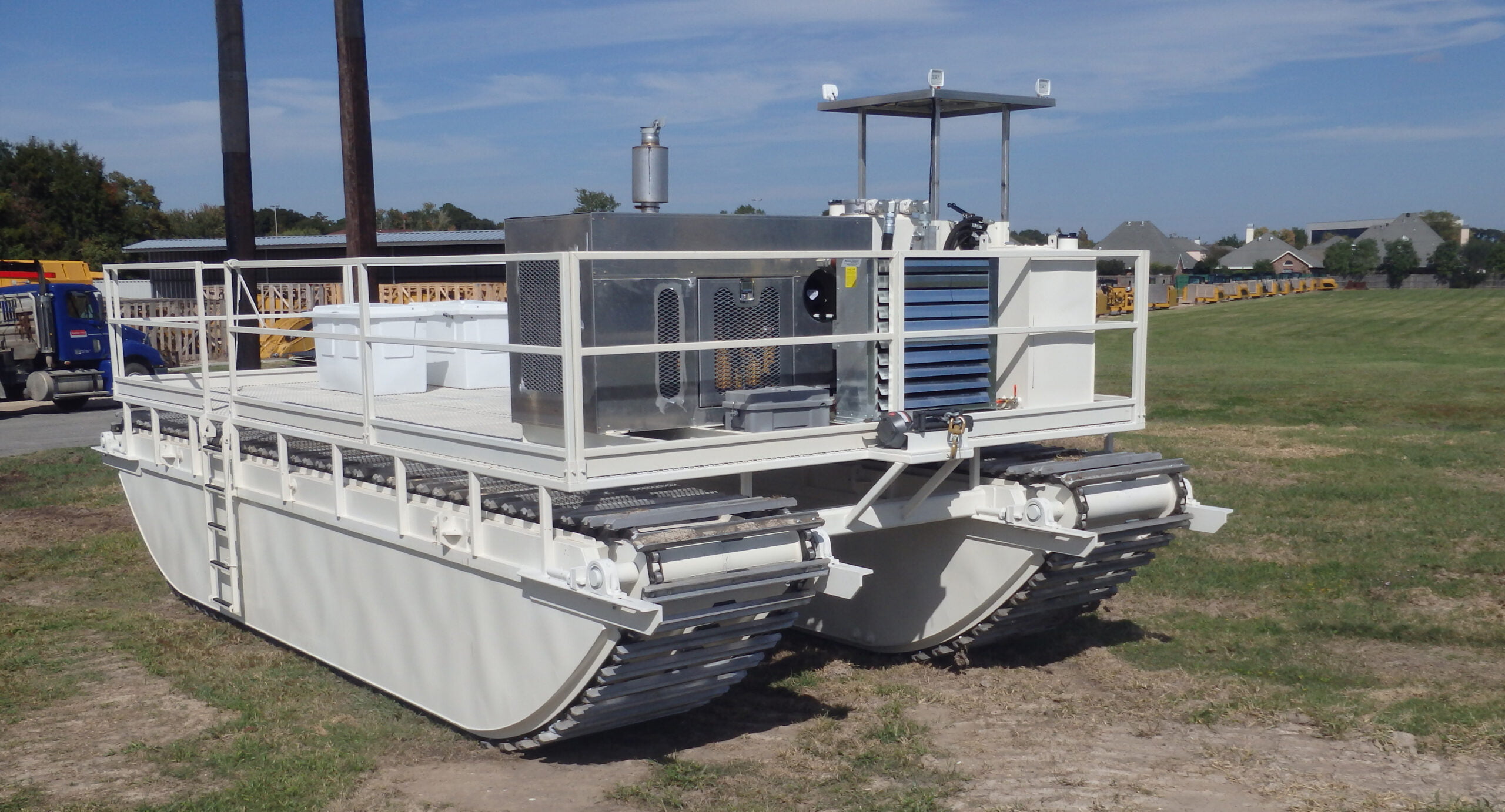
Wetlands are crucial ecosystems that provide a multitude of environmental benefits, including water filtration, flood control, and habitat for diverse species. However, these vital areas are increasingly under threat due to human activities such as agriculture, urban development, and industrial processes. Wetlands reclamation is an essential process that aims to restore these natural habitats to their former ecological balance. This involves the use of specialized equipment and techniques designed to rehabilitate and manage wetlands effectively. The use of such equipment is pivotal in ensuring that wetlands can continue to offer their invaluable services to the environment and human populations alike.
The Importance of Wetlands Reclamation
Wetlands play a key role in maintaining ecological balance. They act as natural water purifiers, removing pollutants and sediments from water bodies. Additionally, they serve as a buffer against floods, absorbing excess water during heavy rainfall and releasing it slowly during dry periods.
- Wetlands support a rich biodiversity, providing habitat for numerous plant and animal species.
- They play a critical role in carbon sequestration, helping to mitigate climate change.
- Wetlands are vital for the livelihoods of many communities, offering resources such as fish, reeds, and medicinal plants.
Given these benefits, the reclamation of wetlands is not just an environmental imperative but also an economic and social necessity. For more on the significance of wetlands, explore further insights here.
Types of Wetlands Reclamation Equipment
Excavators and Amphibious Machines
Excavators are essential in the initial stages of wetlands reclamation, used for digging and removing unwanted materials. Amphibious machines, capable of navigating both land and water, are particularly effective in these environments.
- Amphibious excavators can operate in swampy areas without getting stuck.
- These machines can be equipped with various attachments to perform different tasks, such as dredging or clearing vegetation.
To understand more about these machines and their applications, read more about this topic.
Pumps and Water Management Equipment
Effective water management is essential for wetlands reclamation. Pumps are used to control water levels, ensuring that reclaimed wetlands remain functional and accessible.
- Pumps help in draining excess water or in reintroducing water to dried-up areas.
- Adjustable weirs and gates are used to regulate water flow and levels, simulating natural hydrological cycles.
For a detailed guide on water management in wetlands, learn more in this detailed guide.
Challenges in Wetlands Reclamation
Despite the importance and benefits of wetlands reclamation, several challenges must be addressed to ensure successful restoration.
- Environmental concerns: Care must be taken to minimize the ecological footprint of the reclamation process.
- Technical difficulties: Working in wetland environments requires specialized equipment and expertise.
- Funding and resources: Reclamation projects can be costly and require sustained investment over time.
To explore potential solutions and methodologies for overcoming these challenges, find additional information here.
Conclusion
Wetlands reclamation is a complex but essential process, requiring a blend of technology, expertise, and commitment. By employing the right equipment and strategies, it is possible to restore these vital ecosystems to their natural state, ensuring they continue to provide their myriad benefits to both nature and humanity. As we move forward, it is imperative to focus on sustainable practices and innovative solutions to tackle the challenges faced in wetlands reclamation.