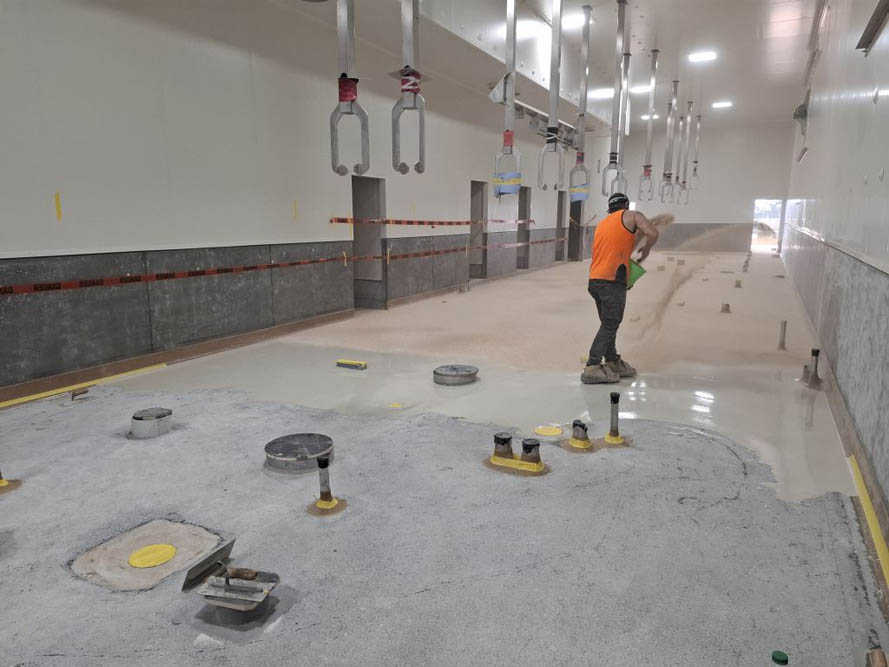
In environments where chemical exposure is prevalent, such as laboratories, industrial plants, and pharmaceutical facilities, the need for chemical resistant flooring becomes paramount. The right flooring material can prevent costly damages, ensure safety, and maintain the integrity of the facility. This article explores some of the top choices for chemical resistant flooring materials, providing insights into their properties and applications.
Epoxy Flooring
Epoxy flooring is renowned for its durability and resistance to a variety of chemicals. This type of flooring is suitable for environments where spills and splashes of corrosive substances are common.
- High resistance to acids, alkalis, and solvents.
- Seamless and easy to clean surface.
- Can be customized with anti-slip properties for added safety.
For those seeking enhanced protection, chemical resistant epoxy flooring offers an advanced solution tailored to withstand even the harshest conditions.
Polyurethane Flooring
Polyurethane flooring is another excellent option for settings exposed to aggressive chemicals. It is particularly favored in industries that deal with thermal shock and frequent temperature variations.
- Exceptional resistance to chemical spills and thermal shock.
- Flexible and less prone to cracking compared to other materials.
- Available in different finishes to suit aesthetic preferences.
Vinyl Ester Flooring
Vinyl ester flooring offers remarkable chemical resistance, making it ideal for facilities handling highly corrosive substances. This flooring material is a preferred choice in industries like food processing, chemical manufacturing, and water treatment.
- Superior resistance to a wide range of chemicals and corrosive agents.
- Excellent temperature resistance.
- Provides a high-gloss finish for a clean and professional look.
Concrete with Protective Coatings
Concrete is a popular choice due to its strength and affordability. However, when enhanced with protective coatings, it becomes a formidable option against chemical attacks.
- Cost-effective compared to other flooring types.
- Coatings can be tailored to specific chemical resistances.
- Long-lasting with proper maintenance and coating applications.
Factors to Consider When Choosing Chemical Resistant Flooring
Selecting the right flooring material involves evaluating various factors to ensure optimal performance and longevity.
- Chemical Exposure: Identify the types of chemicals and their concentrations the flooring will encounter.
- Mechanical Stress: Consider the level of foot traffic and equipment movement to choose a durable material.
- Installation Environment: Temperature fluctuations and humidity levels can affect the choice of flooring.
- Maintenance Requirements: Evaluate the cleaning and upkeep needed for each material to maintain its integrity.
The selection of chemical resistant flooring materials is a critical decision that impacts the functionality and safety of a facility. By understanding the unique properties and benefits of different flooring options, informed choices can be made to meet specific industrial needs.