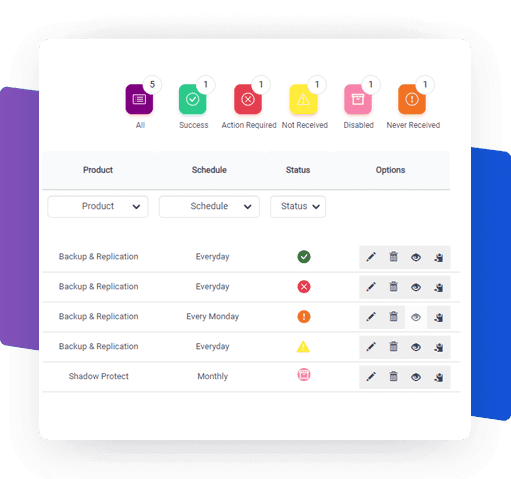
In today’s data-driven world, businesses rely heavily on large amounts of information. With this reliance comes the critical need for data protection and integrity. Backup monitoring software plays a pivotal role in ensuring that data is not only backed up consistently but also that these backups are reliable and easily restorable. This software provides users with peace of mind, knowing that their critical data is safeguarded against potential loss due to technical failures, cyber threats, or human error.
Understanding Backup Monitoring Software
Backup monitoring software is specifically designed to oversee the backup process, ensuring that data is accurately backed up and is accessible when needed. This software is vital for businesses of all sizes, helping them maintain operational continuity and prevent data loss.
Key features of backup monitoring software include:
- Automated alerts for failed or incomplete backups.
- Detailed reporting on backup status and history.
- Integration with various backup solutions for seamless operation.
- User-friendly dashboards for easy monitoring.
Advantages of Implementing Backup Monitoring Software
Enhanced Data Security
One of the primary benefits of backup monitoring software is increased data security. By continuously monitoring the backup process, it helps identify and address potential vulnerabilities before they escalate. This proactive approach aids in mitigating the risks associated with data breaches and loss.
Operational Efficiency
Incorporating backup monitoring tools into business operations significantly boosts efficiency. Automated processes reduce the need for manual intervention, allowing IT teams to focus on other strategic initiatives. Moreover, the software’s real-time alerts and detailed reports enable quick decision-making, ensuring minimal disruption to business activities.
Cost-Effectiveness
Investing in backup monitoring software can lead to substantial cost savings. By preventing data loss and minimizing downtime, businesses can avoid the significant expenses associated with data recovery and potential revenue losses. Additionally, by optimizing storage resources and reducing unnecessary backups, organizations can further cut costs.
Compliance and Data Integrity
Many industries are subject to strict regulatory requirements regarding data protection and retention. Utilizing backup monitoring software ensures compliance with these standards by maintaining a verifiable backup history and audit trail. This not only safeguards the company’s reputation but also enhances data integrity by ensuring backups are complete and accurate.
Conclusion
The implementation of backup monitoring software is an essential component of a robust data management strategy. By enhancing data security, improving operational efficiency, and ensuring compliance, this software provides invaluable support to businesses in safeguarding their critical information assets. As data continues to be a pivotal asset in today’s digital landscape, leveraging advanced technology to protect it is not just advisable, but necessary.