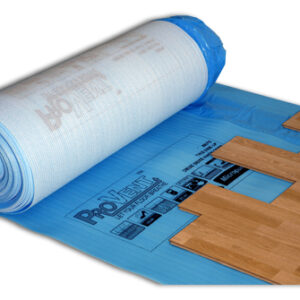
In recent years, the quest for peace and quiet in our homes has become more pronounced, with homeowners increasingly seeking effective solutions to minimize noise pollution. One of the most effective methods is soundproofing, particularly with the use of acoustic underlay for wooden floors. This technique not only enhances the tranquility of a home but also adds a layer of comfort and protection to the flooring. Understanding how acoustic underlay works and its benefits can significantly contribute to more peaceful living spaces, particularly in urban environments where noise levels can often be disruptive.
Understanding Acoustic Underlay
Acoustic underlay is a specialized product designed to reduce noise transmission through floors. It is typically installed beneath wooden floors and serves as a buffer to absorb sound vibrations. Here’s how it works:
- It isolates the floor from the subfloor, reducing impact noise such as footsteps and moving furniture.
- It dampens airborne sounds, providing a quieter environment within the home.
- It enhances the acoustic properties of a room, making it more conducive to activities like watching movies or listening to music.
To explore advanced guides and tips on selecting the right acoustic underlay, discover expert strategies here.
Benefits of Acoustic Underlay for Wooden Floors
When installed correctly, acoustic underlay offers multiple benefits, making it a worthwhile investment for homeowners:
Noise Reduction
Acoustic underlay significantly reduces both airborne and impact noise. This is particularly beneficial in multi-story homes or apartments where noise can easily travel between floors. Learn about our tailored solutions to address specific noise reduction needs.
Improved Comfort
The cushioning effect of acoustic underlay adds a layer of comfort underfoot. This makes walking on wooden floors more pleasant, contributing to an overall more comfortable living experience.
Floor Protection
By acting as a protective barrier, acoustic underlay can prolong the life of wooden floors by reducing wear and tear. This protection helps maintain the aesthetic and functional quality of the flooring over time.
Choosing the Right Acoustic Underlay
Selecting the appropriate acoustic underlay is crucial to maximizing its benefits. Here are some factors to consider:
- Material: Acoustic underlays come in various materials such as rubber, foam, and fiber. Each material offers different levels of sound absorption and durability.
- Thickness: Thicker underlays generally provide better soundproofing but may also raise the floor level. Consider the balance between noise reduction and aesthetic preferences.
- Compatibility: Ensure the underlay is suitable for the type of wooden floor and the specific installation environment.
Find out more about this approach to selecting the most suitable acoustic underlay for your needs.
Installation Tips
Proper installation is key to the effectiveness of acoustic underlay. Here are some tips to ensure optimal results:
- Ensure the subfloor is clean, dry, and level before installation.
- Follow the manufacturer’s instructions for laying the underlay, especially regarding any overlap of materials.
- Use appropriate adhesives or fasteners as recommended for wooden floors.
For more detailed installation guidance, explore advanced guides and tips that can help streamline the process.
Conclusion
Soundproofing with acoustic underlay is a valuable investment for homeowners seeking to enhance the serenity of their living spaces. By reducing noise and improving comfort, it addresses common concerns associated with wooden floors. For those interested in exploring further, numerous resources and products are available to tailor solutions to individual needs. With the right choice and proper installation, acoustic underlay can transform a home into a haven of peace and quiet.