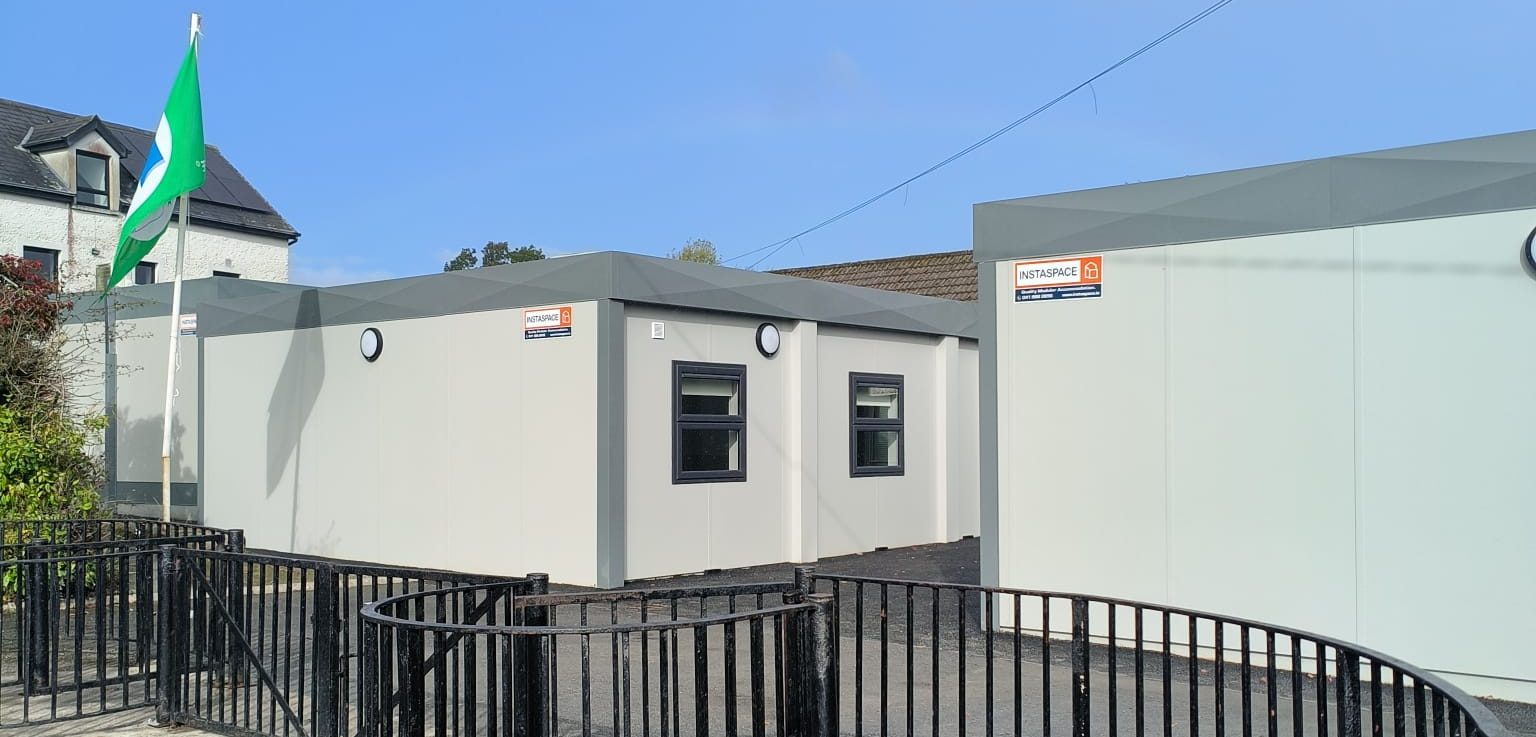
In the ever-evolving landscape of construction and project management, flexibility and efficiency are paramount. Portable buildings have emerged as a versatile solution, catering to the dynamic requirements of various industries. Whether it’s a temporary workspace, educational facility, or healthcare unit, portable buildings offer rapid deployment, cost-effectiveness, and adaptability to different environments.
The Rising Demand for Portable Buildings
The demand for portable buildings has surged due to several compelling reasons. As organizations seek to minimize costs and enhance operational agility, these structures provide an ideal solution. They are not only quick to install but also customizable to meet specific project needs. Find out more about this approach to leveraging portable buildings for diverse projects.
- Cost-Effectiveness: Reduced construction and labor costs.
- Speed of Installation: Rapid setup compared to traditional buildings.
- Adaptability: Customizable layouts and designs.
- Mobility: Easy relocation and repurposing.
Applications Across Industries
Commercial Sector
In the commercial sector, portable buildings serve as temporary office spaces, retail outlets, and even pop-up shops. Their ability to be quickly assembled and dismantled makes them ideal for projects with tight deadlines. Companies can explore advanced guides and tips to optimize their use of portable structures in commercial settings.
Education
Educational institutions benefit from portable buildings by addressing space constraints and accommodating fluctuating student populations. These structures are often used as classrooms, laboratories, or libraries, providing a conducive learning environment without the need for permanent construction. Learn about our tailored solutions to implement portable buildings in educational settings.
Healthcare
The healthcare industry utilizes portable buildings for clinics, testing centers, and emergency response units. Their rapid deployment capability is crucial in times of crisis, such as pandemics or natural disasters. Healthcare providers can discover expert strategies here for effectively integrating portable solutions into their operations.
Environmental Considerations
Portable buildings are inherently sustainable, contributing to reduced environmental impact. Their modular design and recyclable materials minimize waste and energy consumption. Moreover, the ability to deconstruct and relocate these structures further enhances their eco-friendliness. Stakeholders can find out more about this approach to sustainable building practices.
- Use of recyclable materials.
- Energy-efficient designs.
- Reduced construction waste.
- Minimal site disturbance.
Future Trends in Portable Buildings
As technology advances, portable buildings are expected to become even more sophisticated and integrated with smart systems. Innovations in materials and construction techniques will likely lead to enhanced durability and energy efficiency. Moreover, the growing emphasis on sustainability will drive the adoption of eco-friendly practices in portable building designs. Industry leaders and innovators can explore advanced guides and tips on leveraging these future trends.
In conclusion, portable buildings represent a flexible and efficient solution for a wide range of projects. From commercial ventures to educational and healthcare facilities, their adaptability and cost-effectiveness make them a valuable asset in modern project management. As the demand for agile construction solutions grows, portable buildings will undoubtedly play a significant role in shaping the future of infrastructure development.