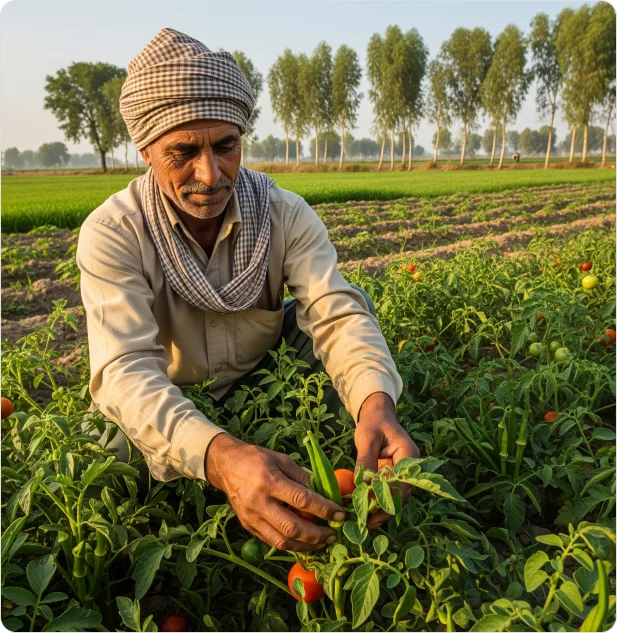
In an era where convenience and sustainability are paramount, the organic vegetable subscription model has emerged as a transformative way to access farm-fresh produce. Weekly deliveries ensure that consumers receive the freshest vegetables directly to their doorstep, reducing the need for frequent grocery store visits and supporting local agriculture. The rise of such subscription services aligns with growing consumer preferences for organic, sustainable, and locally-sourced produce, offering a myriad of benefits for both the environment and individual health.
Benefits of Organic Vegetable Subscription
Subscribing to an organic vegetable service offers numerous advantages that cater to both ecological and personal health interests.
- Freshness Guaranteed: Vegetables are harvested shortly before delivery, ensuring maximum freshness and nutrient retention.
- Seasonal Variety: Consumers receive a diverse selection of vegetables that change with the seasons, promoting a varied diet.
- Convenience: Weekly deliveries eliminate the need for regular store trips, saving time and reducing carbon footprint.
- Sustainable Practices: Organic farming practices reduce environmental impact by avoiding harmful pesticides and promoting biodiversity.
- Support Local Farmers: Subscriptions often source from local farms, boosting regional economies and fostering sustainable agricultural practices.
For those interested in the environmental benefits and sustainable impact of such subscriptions, explore further insights here.
How It Works
Understanding the mechanics of a vegetable subscription service helps consumers make informed decisions about their food sources.
1. Subscription Sign-Up
Interested consumers can sign up via online platforms, choosing plans that suit their dietary needs and household size. Flexibility in subscription models allows for adjustments in frequency and quantity.
2. Curated Produce Selection
Each week, a curated selection of vegetables is packed based on seasonal availability and consumer preferences. This ensures that subscribers receive a balanced and diverse array of produce.
3. Delivery and Packaging
Deliveries are made directly to consumers? homes, often using eco-friendly packaging to minimize waste. The convenience of this service is a significant draw for many subscribers.
For a detailed guide on how these services operate, read more about this topic.
Considerations Before Subscribing
While the benefits are plentiful, there are several factors to consider before committing to an organic vegetable subscription.
- Cost: Organic produce can be more expensive than conventional options, so budget considerations are important.
- Dietary Preferences: Subscribers should ensure that the service can accommodate any specific dietary restrictions or preferences.
- Storage Requirements: Fresh produce may require adequate storage space and facilities to maintain freshness.
- Commitment Level: Determine whether the subscription’s frequency and quantity align with your consumption rate to minimize waste.
To find additional information on these considerations, learn more in this detailed guide.
Future of Organic Vegetable Subscriptions
The future of organic vegetable subscriptions looks promising as more consumers lean towards sustainable and health-conscious lifestyles. The industry is likely to evolve with technological advancements, offering more personalized and efficient services.
For a deeper understanding of the potential developments in this sector, find additional information here.
In conclusion, organic vegetable subscription services offer a compelling solution for those seeking fresh, sustainable, and convenient produce options. By understanding the benefits and considerations, consumers can make informed decisions that align with their values and lifestyle needs.