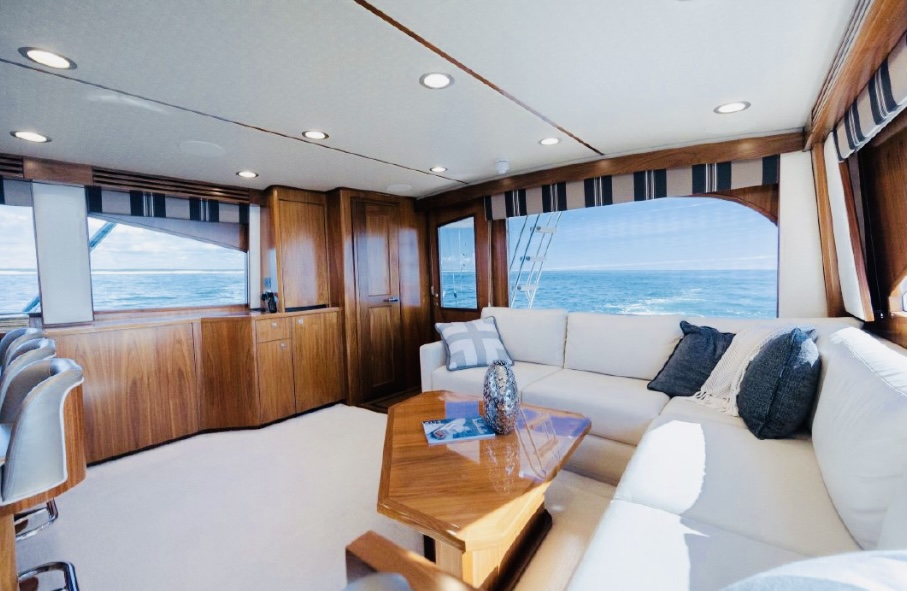
Enhancing the ambiance and safety of a boat can be as simple as installing marine courtesy lights. These lights are not just functional; they bring an aesthetic appeal to any vessel. With the growing emphasis on energy efficiency, choosing the right kind of marine courtesy lights has become crucial for boat owners. Energy-efficient marine lighting solutions offer numerous benefits, including reduced power consumption, longer lifespan, and a lesser environmental impact. This article explores the importance of these lights, their benefits, and considerations for choosing the right ones for your boat.
Why Choose Energy-Efficient Marine Courtesy Lights?
The shift towards energy-efficient lighting solutions is not just a trend but a necessity in today’s world. Here are some compelling reasons to opt for energy-efficient marine courtesy lights:
- Reduced Power Consumption: Energy-efficient lights use significantly less power, which is crucial for boats relying on battery power for extended periods.
- Longevity: These lights generally have a longer lifespan, reducing the need for frequent replacements and maintenance.
- Environmental Impact: Lower power usage translates to a smaller carbon footprint, making these lights a more eco-friendly choice.
- Cost-Effective: Although the initial investment might be higher, the reduced energy bills and maintenance costs make them economical in the long run.
Key Features to Consider
Brightness and Color Temperature
Brightness and color temperature are crucial factors when choosing marine courtesy lights. Brightness is measured in lumens, and choosing the right level is essential to ensure sufficient illumination without overpowering the space. Color temperature affects the ambiance, with warmer tones offering a relaxed feel and cooler tones providing a vibrant atmosphere. Explore further insights here to understand the impact of these features.
Durability and Weather Resistance
Given the harsh marine environment, durability and weather resistance are vital. Look for lights that are waterproof and corrosion-resistant to ensure they withstand the challenges of saltwater, humidity, and UV exposure. Materials like stainless steel and polycarbonate are excellent choices for marine lighting. Learn more in this detailed guide about selecting durable marine lights.
Ease of Installation
Ease of installation is another critical factor. Many energy-efficient marine courtesy lights are designed for straightforward installation, often requiring minimal tools. Some models come with adhesive backing or magnetic mounts, making them an ideal choice for quick setup. Find additional information here on installation tips and techniques.
Applications of Marine Courtesy Lights
Marine courtesy lights have versatile applications on a boat:
- Deck and Cockpit Lighting: These areas benefit from subtle lighting to enhance visibility and safety during nighttime activities.
- Cabin and Interior Lighting: Inside the boat, courtesy lights provide essential illumination without disturbing the ambiance.
- Pathway and Stair Lighting: Strategically placed lights on pathways and stairs increase safety by highlighting potential hazards.
- Accent Lighting: Enhance the aesthetic appeal by highlighting specific features or areas of the boat with accent lighting.
For more guidance on applications and lighting strategies, read more about this topic.
Conclusion
Investing in energy-efficient marine courtesy lights is a smart decision for any boat owner. Not only do they improve the safety and functionality of the vessel, but they also contribute to environmental conservation by reducing energy consumption. By considering factors such as brightness, durability, and ease of installation, boat owners can make informed choices that enhance their boating experience. As the maritime industry continues to embrace sustainable practices, energy-efficient lighting solutions will undoubtedly play a pivotal role in shaping the future of marine lighting. To make the most of these advancements, explore further insights here.