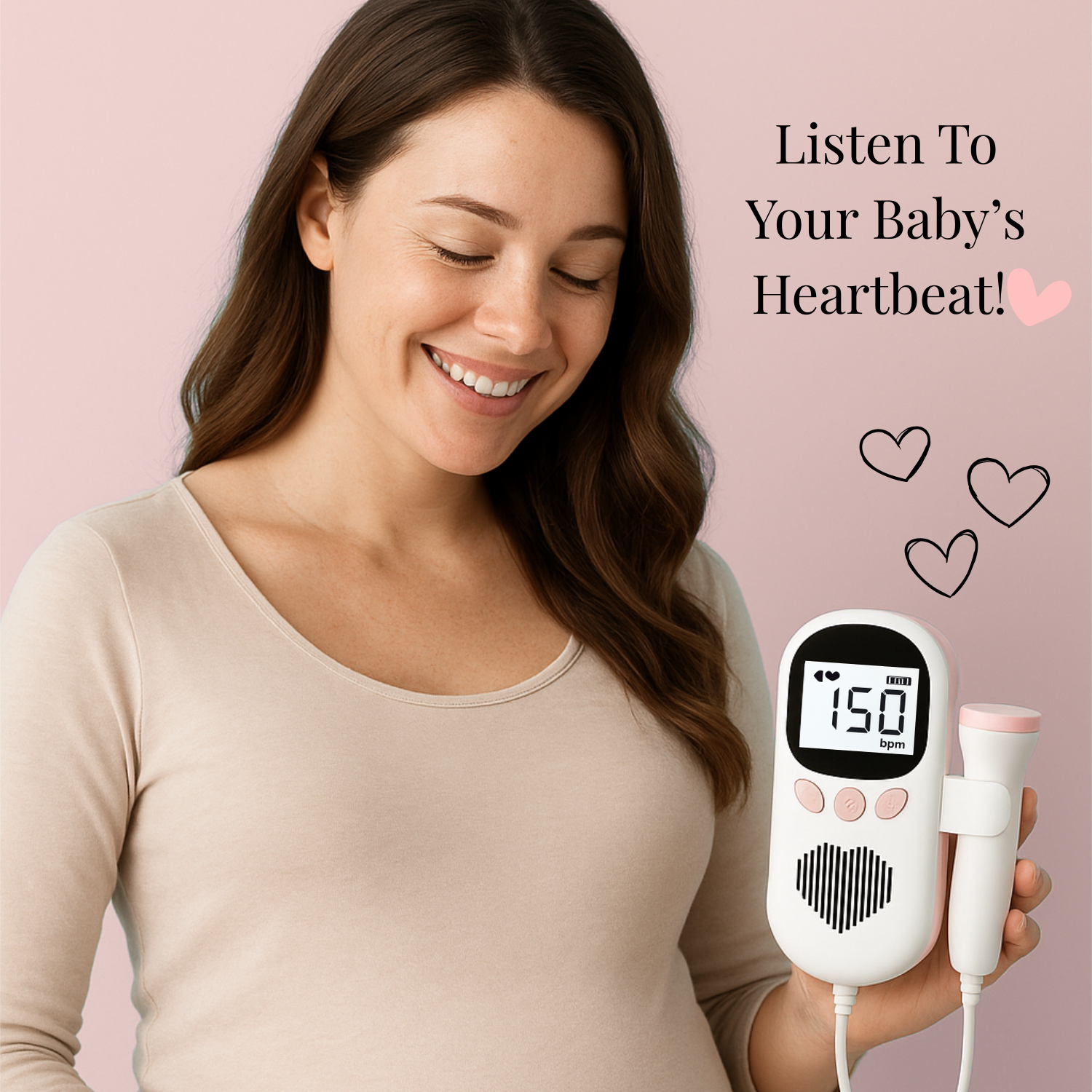
Pregnancy is a time of joy, anticipation, and sometimes, anxiety. Expectant mothers often seek reassurance regarding their baby’s health and well-being during this critical period. Fetal Doppler devices have emerged as a popular tool for providing peace of mind. These devices allow mothers to listen to their baby’s heartbeat, fostering a connection and providing reassurance. But how do these devices work, and what should mothers consider before using them?
Understanding Fetal Doppler Devices
Fetal Doppler devices are handheld ultrasound transducers that use sound waves to detect and amplify the heartbeat of a fetus. These devices are typically used by healthcare professionals during prenatal visits, but some models are available for home use. The availability of these devices has made it possible for expectant mothers to monitor their baby’s heartbeat in the comfort of their own home, contributing to a sense of reassurance and connection with their baby.
How Do Fetal Dopplers Work?
These devices use the Doppler effect, a principle named after the Austrian physicist Christian Doppler. By emitting sound waves that bounce off the moving heart of the fetus, the device captures the change in frequency and uses it to produce an audible heartbeat. This technology, although sophisticated, is user-friendly and designed for easy use by non-professionals.
Benefits of Using Fetal Doppler Devices
Fetal Dopplers offer several benefits for expectant mothers who are keen to monitor their baby’s heart health:
- **Reassurance**: Listening to the baby’s heartbeat can provide significant emotional comfort and reduce anxiety, especially for first-time mothers.
- **Bonding**: Hearing the heartbeat can enhance the emotional bond between the mother and the unborn baby, allowing family members to participate in the experience.
- **Convenience**: Having a device at home means mothers can listen to the heartbeat at their convenience, without needing to schedule a doctor?s appointment.
- **Early Detection of Issues**: Regular monitoring might help in early detection of potential issues, prompting timely medical consultation.
To delve deeper into how these devices can support expectant mothers, explore advanced guides and tips available online.
Considerations Before Using a Fetal Doppler
While fetal Doppler devices offer many benefits, it’s important to use them responsibly and understand their limitations:
- **Not a Substitute for Professional Care**: These devices should not replace regular prenatal visits and professional medical advice. It’s crucial to maintain regular check-ups with healthcare providers.
- **Proper Usage**: Understanding how to correctly use the device is essential. Incorrect use can lead to unnecessary anxiety if the heartbeat isn’t detected.
- **Frequency of Use**: Overuse is discouraged. It’s recommended to limit listening sessions to a few times a week to avoid unnecessary stress and potential harm.
- **Quality of the Device**: Investing in a reliable and well-reviewed device is important for accurate readings. Learn about tailored solutions that offer quality and ease of use.
For those interested in understanding the intricacies of these devices, discover expert strategies here.
Conclusion
In conclusion, fetal Doppler devices can be a valuable tool for expectant mothers, offering reassurance and enhancing the prenatal experience. However, it is essential to use them correctly and in conjunction with professional medical advice. By understanding both the benefits and limitations of these devices, mothers can make informed decisions that contribute to a healthy and stress-free pregnancy. For more comprehensive information and insights, find out more about this approach and ensure a balanced and informed pregnancy journey.