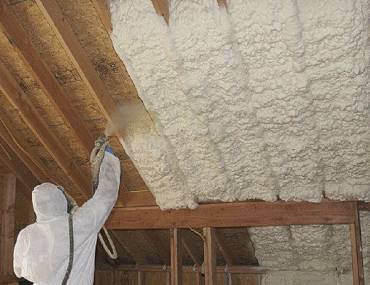
Proper attic insulation is a critical component of home energy efficiency. By ensuring that an attic is well-insulated, homeowners can significantly reduce energy costs, maintain a comfortable indoor environment, and contribute positively to environmental sustainability. This article explores the benefits of efficient attic insulation services and provides insights into the methods and materials commonly used to achieve optimal insulation performance.
The Importance of Attic Insulation
Attic insulation plays a vital role in the overall thermal efficiency of a home. It serves as a barrier to heat loss in the winter and prevents heat gain in the summer. The benefits of effective attic insulation include:
- Reduced energy bills by minimizing the need for heating and cooling systems.
- Enhanced indoor comfort by maintaining a stable indoor temperature year-round.
- Environmental benefits through reduced energy consumption and greenhouse gas emissions.
- Increased home value due to improved energy efficiency ratings.
For a deeper understanding of how attic insulation impacts energy efficiency, read more about this topic.
Types of Attic Insulation
Various materials are used for attic insulation, each with distinct properties and benefits. It is essential to choose the right type based on the specific needs of the home and climate conditions.
Fiberglass Insulation
Fiberglass is a popular choice due to its affordability and effectiveness. It is available in batts, rolls, and loose-fill forms, making it versatile for different installation needs.
Spray Foam Insulation
Spray foam insulation offers superior air sealing properties and can fill even the smallest gaps and crevices. It is ideal for irregularly shaped attics and provides excellent thermal resistance.
Cellulose Insulation
Made from recycled paper products, cellulose insulation is an eco-friendly option. It is treated with fire retardants and can effectively reduce air leaks and energy loss.
To explore further insights into these materials, learn more in this detailed guide.
Factors Affecting Insulation Efficiency
Several factors influence the efficiency of attic insulation, and understanding these can help homeowners make informed decisions:
- R-Value: The R-value measures the thermal resistance of insulation. Higher R-values indicate better insulation performance.
- Installation Quality: Proper installation is critical for maximizing insulation efficiency. Poor installation can lead to gaps and air leaks.
- Climate Considerations: The local climate determines the appropriate type and thickness of insulation required for optimal efficiency.
- Ventilation: Adequate attic ventilation is necessary to prevent moisture buildup and ensure insulation longevity.
For additional information on optimizing attic insulation, find additional information here.
Choosing Professional Insulation Services
While some homeowners may opt for a DIY approach, hiring professional insulation services can ensure quality results. Professionals can assess the specific needs of a home and recommend the best insulation solutions. Key advantages of professional services include:
- Expertise in selecting the appropriate insulation materials and methods.
- Access to advanced tools and technologies for efficient installation.
- Assurance of compliance with building codes and standards.
- Long-term performance guarantees and warranties.
To explore the considerations for choosing professional insulation services, explore further insights here.