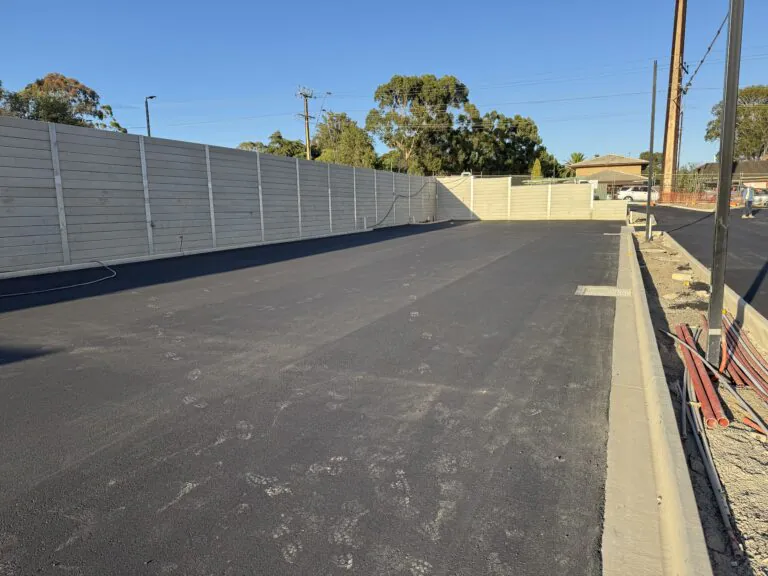
In the modern era of construction and development, structural demolition has evolved significantly, transforming from a simple destruction process into a sophisticated, highly technical operation. Advanced structural demolition techniques are essential for ensuring safety, efficiency, and environmental responsibility. With urban landscapes constantly changing and the demand for redevelopment increasing, understanding these techniques has become crucial. This article explores the complexities of advanced structural demolition, highlighting the latest methodologies and innovations in the field.
Understanding Advanced Demolition Techniques
Structural demolition involves more than just tearing down buildings or structures. It requires careful planning, precision, and advanced technology to ensure that the process is carried out safely and efficiently. Here are some of the advanced techniques utilized in the industry today:
- Implosion: A highly controlled method that uses explosives to collapse a building inward, minimizing the impact on surrounding structures.
- Selective Demolition: This involves carefully dismantling specific parts of a structure, allowing for the reuse or recycling of materials. Learn more in this detailed guide.
- Robotic Demolition: The use of remote-controlled machines to dismantle structures, especially in hazardous environments where human safety is a concern.
- Hydraulic Bursting: A non-explosive demolition technique that uses hydraulic power to break concrete structures silently and with precision.
Technological Innovations in Demolition
The demolition industry has witnessed significant technological advancements designed to enhance precision and safety. Some key innovations include:
Use of Drones
Drones are increasingly used in demolition projects for site surveys and monitoring. They provide real-time data and high-resolution images, aiding in the planning and execution of demolition projects. Explore further insights here.
Building Information Modeling (BIM)
BIM technology allows for the creation of a digital representation of a building’s physical and functional characteristics. This aids in visualizing the demolition process and identifying potential challenges before they arise. Read more about this topic.
Environmental Considerations
The impact of demolition on the environment is a major consideration in modern projects. Advanced techniques focus on reducing waste and promoting sustainability. Some approaches include:
- Material Recycling: Demolition projects now emphasize recycling materials such as steel and concrete to reduce landfill waste.
- Dust Control: Water sprays and dust suppression systems are employed to minimize air pollution during demolition.
By incorporating environmental considerations into demolition planning, the industry aims to reduce the ecological footprint of construction activities. Find additional information here.
Safety and Risk Management
Safety is paramount in demolition projects. Advanced structural demolition involves stringent safety protocols and risk management strategies to protect workers and the public. Key aspects include:
- Site Assessments: Comprehensive site evaluations are conducted to identify hazards and develop mitigation strategies.
- Safety Equipment: The use of personal protective equipment (PPE) and safety gear is mandatory to safeguard against potential risks.
- Training: Continuous training programs for demolition workers ensure they are equipped with the latest safety knowledge and skills.
By prioritizing safety, the industry reduces the likelihood of accidents and enhances the overall efficiency of demolition operations. Learn more about safety measures in this detailed guide.
In conclusion, advanced structural demolition techniques represent a blend of technology, precision, and environmental responsibility. As urban landscapes continue to evolve, these methods offer a sustainable and safe approach to managing the complexities of modern construction projects. Understanding and implementing these techniques is vital for professionals in the industry, ensuring that demolition is carried out effectively and responsibly.