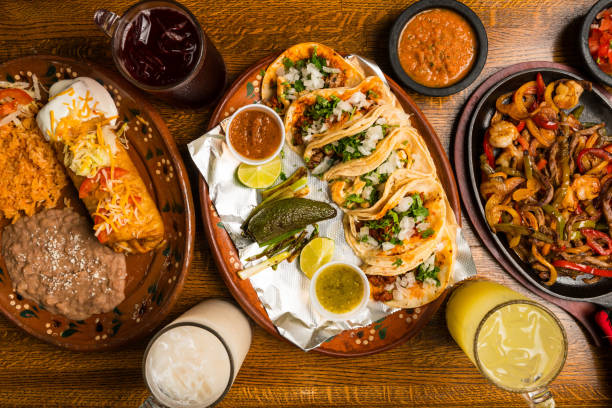
In the bustling world of culinary delights, Mexican cuisine stands out for its vibrant flavors, aromatic spices, and rich cultural history. This cuisine is not just about food; it's an experience that engages all the senses. From street food to gourmet dishes, Mexican food has evolved while maintaining its traditional roots. One place that epitomizes this blend of tradition and innovation is Tulio’s Tacos and Tequila Bar, where one can savor authentic Mexican flavors with a modern twist. Let's delve into the fascinating aspects of Mexican cuisine and uncover what makes it so beloved worldwide.
The Rich History of Mexican Cuisine
Mexican cuisine is a tapestry of indigenous and Spanish influences, with each region contributing its unique flavors and ingredients. The use of corn, beans, and chili peppers is rooted in the pre-Hispanic era, while the introduction of rice, pork, and dairy products came with the Spanish colonizers. This fusion has given rise to a diverse culinary landscape that varies significantly from region to region.
Key Ingredients
- Corn: A staple in Mexican cooking, used to make tortillas, tamales, and more.
- Chili Peppers: Essential for adding heat and flavor, with varieties like jalapeños, habaneros, and poblanos.
- Beans: Often paired with rice, integral to many traditional dishes.
- Tomatoes: Used in salsas and sauces, adding a tangy sweetness.
- Avocados: The base for guacamole, a creamy, delicious accompaniment.
The Art of Mexican Cooking
The preparation of Mexican food is an art form, with techniques passed down through generations. Whether it's the slow-cooking of a mole sauce or the precise grilling of a carne asada, each dish is crafted with care. In modern establishments, these traditional techniques are often combined with contemporary cooking methods to create innovative dishes that honor their roots.
Popular Mexican Dishes
- Tacos: Versatile and beloved, tacos can be filled with meats, seafood, or vegetables, topped with salsas and garnishes.
- Enchiladas: Corn tortillas rolled around a filling, covered with chili sauce and cheese.
- Chiles en Nogada: A seasonal dish of stuffed poblano peppers topped with walnut sauce and pomegranate seeds.
- Guacamole: A simple yet flavorful avocado dip, often served as an appetizer or side.
Mexican Cuisine in the Global Context
The globalization of Mexican cuisine has led to its incorporation into diverse culinary traditions worldwide. Restaurants and chefs have embraced this cuisine, adding their interpretations and creating fusion dishes that appeal to a global palate. Establishments like Tulio’s Tacos and Tequila Bar showcase how Mexican flavors can be innovatively presented while retaining their authentic essence.
The Role of Tequila
No discussion of Mexican cuisine would be complete without mentioning tequila. This iconic spirit is produced from the blue agave plant, primarily in the area surrounding the city of Tequila in central Mexico. Tequila is enjoyed neat, in cocktails, and as a complement to many Mexican dishes. Its cultural significance and versatility make it a staple in both traditional and modern Mexican dining experiences.
The Future of Mexican Cuisine
As culinary trends continue to evolve, Mexican cuisine remains a dynamic and influential force in the global food scene. The focus on sustainability, local sourcing, and health-conscious dining is reflected in modern Mexican cooking. Chefs are exploring plant-based ingredients and innovative cooking techniques while staying true to the vibrant flavors that define this cuisine.
For those who wish to experience the rich tapestry of Mexican flavors, establishments like Tulio’s Tacos and Tequila Bar offer a perfect blend of authenticity and creativity. Here, diners can explore the depth and diversity of Mexican dishes, enjoying a culinary journey that delights the senses and respects its cultural heritage.