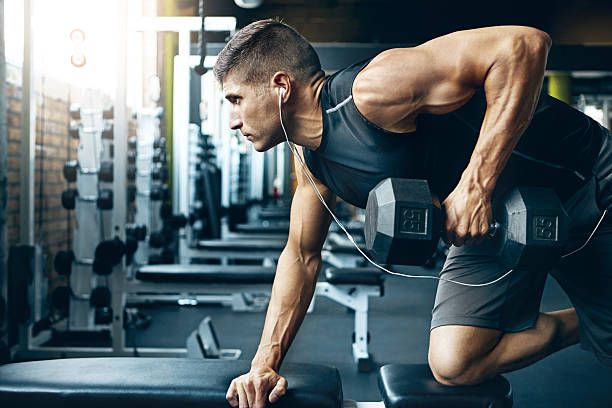
In the realm of sports and physical fitness, the development of power and agility is crucial for athletes seeking to enhance their performance. Advanced performance training focuses on these key elements, offering athletes a competitive edge. By integrating specialized exercises and techniques, athletes can improve their explosive strength and quickness, essential for success in various sports. This article delves into the methodologies and strategies involved in developing power and agility through advanced performance training.
Understanding Power and Agility
Power and agility are fundamental components of athletic performance. Power refers to the ability to exert maximum force in a short period, crucial for movements such as sprinting, jumping, and throwing. Agility, on the other hand, is the capacity to change direction swiftly and efficiently, enabling athletes to navigate dynamic environments effectively.
Key Benefits of Enhanced Power and Agility
- Improved performance in sports requiring explosive movements.
- Increased efficiency in executing complex maneuvers.
- Reduced risk of injury due to better control and coordination.
- Enhanced overall athleticism and endurance.
Techniques for Developing Power
Developing power involves a combination of strength training and plyometric exercises. These exercises focus on improving the muscles? ability to exert force rapidly. Strength training typically includes:
- Weightlifting exercises such as squats, deadlifts, and bench presses.
- Olympic lifts, including the clean and jerk, and snatch.
Plyometric exercises are also integral, involving explosive movements like:
- Box jumps and depth jumps.
- Medicine ball throws.
- Jump squats and lunge jumps.
For an in-depth understanding of power development techniques, read more about this topic.
Enhancing Agility
Agility training emphasizes quickness, reaction time, and coordination. Exercises designed to improve agility include:
- Speed ladder drills to enhance foot speed and coordination.
- Cone drills for improving directional changes and balance.
- Reaction drills to boost response times.
Incorporating these drills into a regular training regimen can significantly enhance an athlete’s ability to change directions swiftly and maintain control during rapid movements. Learn more in this detailed guide.
Integrating Advanced Performance Training
To maximize the benefits of power and agility training, it’s crucial to integrate these techniques into a structured program. A comprehensive training plan should include:
- Regular assessment to monitor progress and adjust exercises accordingly.
- Balanced workouts that combine strength, power, and agility exercises.
- Recovery periods to allow for muscle repair and growth.
- Nutrition strategies to fuel performance and recovery.
By adopting a holistic approach, athletes can achieve substantial improvements in their performance metrics. For further insights on creating an effective training program, explore further insights here.
The Role of Technology in Performance Training
Technological advancements have significantly impacted performance training, offering tools and analytics to track progress and optimize training regimens. Wearable technology, motion analysis systems, and performance tracking software can provide valuable data, helping athletes fine-tune their techniques and enhance their training outcomes.
To understand the impact of technology on performance training, find additional information here.
In conclusion, developing power and agility through advanced performance training is essential for athletes aiming to elevate their game. By combining strength, plyometrics, agility drills, and technological tools, athletes can enhance their capabilities and achieve their performance goals. Careful planning, consistent training, and ongoing assessment are key to unlocking an athlete’s full potential.