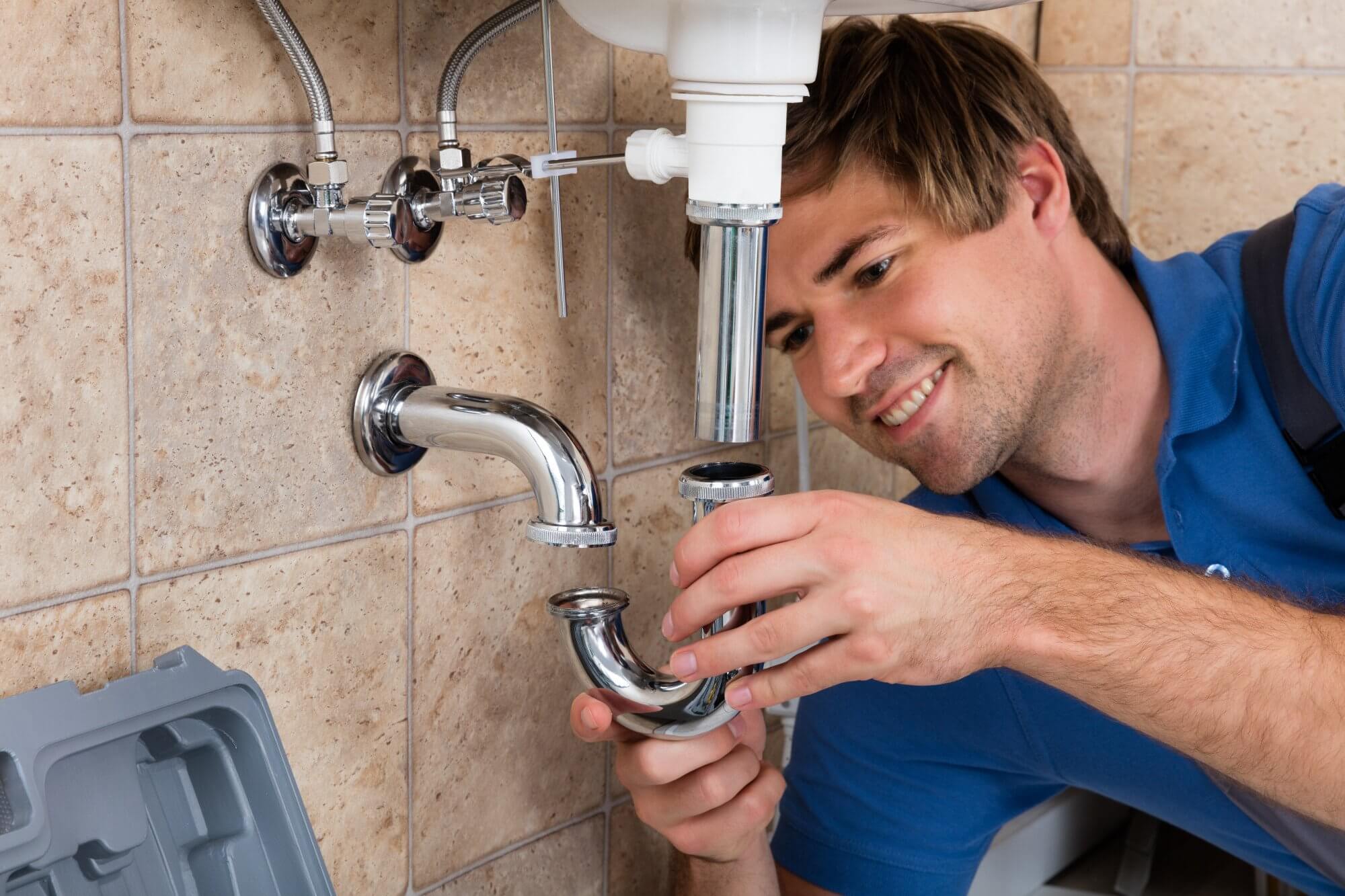
Installing a new bathroom sink plumbing system may seem like a daunting task, but with the right guidance, it can be transformed into a manageable project. Whether you are upgrading an older system or setting up plumbing for a newly designed bathroom, understanding the steps involved is crucial. Proper installation not only ensures the functionality and efficiency of your bathroom sink but also prevents potential leaks and water damage. This expert guide aims to demystify the process, providing you with detailed instructions to help you complete the task with confidence.
Understanding the Components of a Bathroom Sink Plumbing System
A bathroom sink plumbing system comprises several key components. Familiarizing yourself with these parts will aid significantly in the installation process:
- Supply Lines: These are pipes that bring water to the faucet. They are typically flexible and easy to connect.
- Faucet: Where the water comes out. Available in various designs, ensuring a match with the bathroom decor is vital.
- Drain Pipe: This pipe carries the used water away from the sink to the main sewer line.
- P-Trap: A U-shaped pipe that prevents sewer gases from entering the home and catches debris.
- Shut-off Valves: These allow you to turn off the water supply to the sink for maintenance.
Preparation Before Installation
Before diving into the installation, proper preparation is essential. This will ensure a smooth process and help avoid common pitfalls:
- Gather Tools and Materials: Ensure you have all necessary tools, such as wrenches, pliers, plumber’s tape, and a bucket.
- Turn Off Water Supply: Use the shut-off valves to stop the water flow to prevent any leaks during installation.
- Measure and Plan: Accurately measure the space to ensure that all components fit correctly. This step is crucial for avoiding future issues.
For more detailed preparation tips, learn about our tailored solutions.
Installing the Plumbing System
Step 1: Connect the Faucet
Begin by installing the faucet to the sink:
- Insert the faucet into the designated holes on the sink.
- Secure it from underneath using the provided nuts and washers.
- Ensure all parts are tightly fastened to prevent leaks.
Step 2: Attach Supply Lines
Once the faucet is secure, connect the supply lines:
- Attach the hot and cold water supply lines to the corresponding faucet connections.
- Use plumber’s tape to ensure a tight seal and prevent leaks.
Step 3: Install the Drain Assembly
The drain assembly is crucial for water flow and preventing blockages:
- Insert the drain body into the sink’s drain hole, ensuring the gasket is in place to prevent leaks.
- Secure the drain body from underneath using the provided nut.
- Attach the tailpiece to the drain body.
To ensure a watertight seal, explore advanced guides and tips on correctly installing drain systems.
Step 4: Connect the P-Trap
The P-trap is a critical component that prevents sewer gases from entering the home:
- Connect the P-trap to the tailpiece using a slip joint nut and washer.
- Align the P-trap with the wall drain pipe and secure it using another slip joint nut.
- Ensure all connections are tight to prevent leaks.
Final Checks and Testing
After the installation, it?s important to conduct final checks:
- Turn On the Water Supply: Open the shut-off valves and test the faucet for proper water flow.
- Check for Leaks: Inspect all connections for any signs of leakage. Tighten connections if necessary.
- Test Drainage: Run water and ensure that it drains efficiently without any backups or slow drainage.
For comprehensive testing methods, discover expert strategies here.
With this guide, installing a new bathroom sink plumbing system is simplified, allowing for a seamless and efficient process. For more detailed instructions and professional assistance, find out more about this approach. Proper installation will ensure your bathroom functions beautifully and remains free from plumbing issues for years to come.