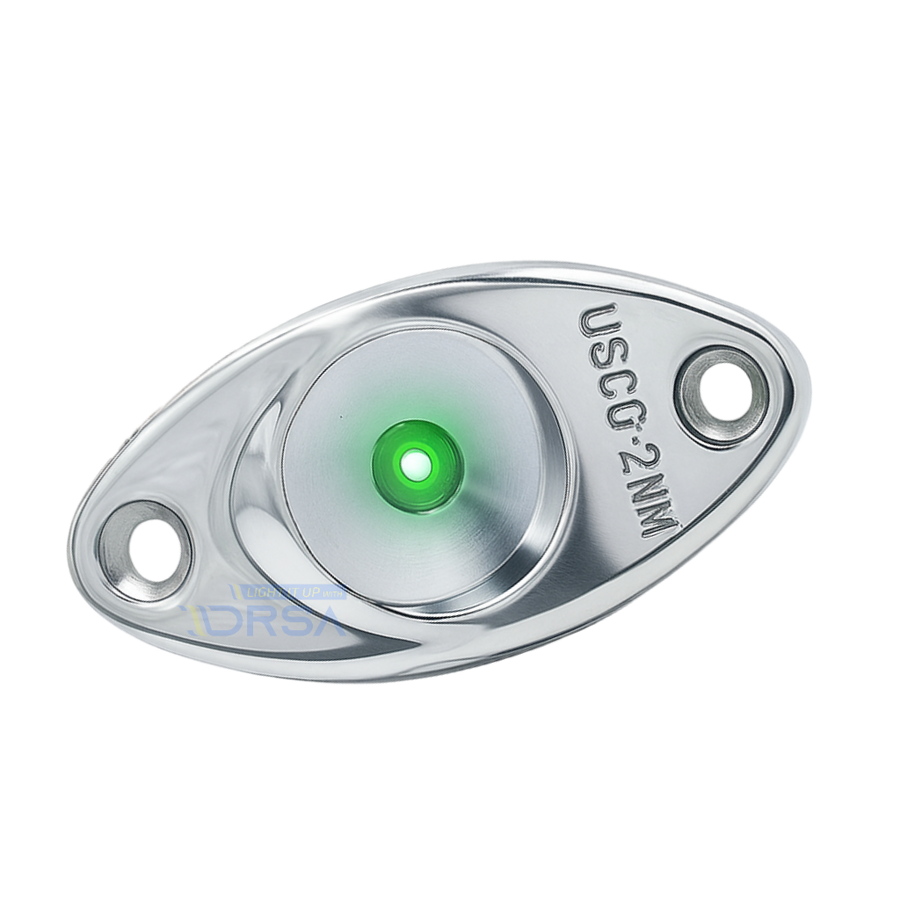
Boating is a beloved activity for many enthusiasts who enjoy the serenity and excitement it offers. However, with this enjoyment comes the responsibility of ensuring safety on the water. One crucial aspect of safe boating is the use of navigation lighting. These lights not only enhance visibility but also prevent accidents by informing other vessels of your position, direction, and status. Understanding the importance of navigation lighting is essential for anyone who operates a boat, whether for leisure or professional purposes.
The Role of Navigation Lighting
Navigation lighting is a fundamental safety feature for all vessels operating in low-light conditions or at night. It plays multiple roles, such as:
- Indicating the size and type of vessel
- Signaling the direction the vessel is moving
- Providing information about the vessel’s status, such as whether it is anchored
Properly functioning navigation lights ensure that all vessels can communicate their movements to others on the water, thereby reducing the risk of collisions.
Types of Navigation Lights
Different types of navigation lighting are used depending on the size and type of vessel. Understanding these types is crucial for compliance with maritime regulations:
Port and Starboard Lights
- Port (Red) Light: Located on the left side of the vessel, indicating the port side.
- Starboard (Green) Light: Located on the right side of the vessel, indicating the starboard side.
Stern and Masthead Lights
- Stern Light: A white light placed at the aft of the vessel, indicating the rear of the vessel to others.
- Masthead Light: A white light placed on the mast to signify the forward direction of the vessel, especially important for larger vessels.
All-Round Lights
These are used primarily on smaller vessels and can be seen from any angle around the vessel. They provide a 360-degree visibility, making it easier for other vessels to spot them.
Regulations and Compliance
Adhering to regulations concerning navigation lighting is not only a legal obligation but also a moral one. Various international and national bodies have established rules to ensure boating safety:
- International Maritime Organization (IMO) guidelines
- Local maritime authority regulations
- Specific requirements for different types of watercraft
These regulations dictate the color, placement, and visibility range of the lights to ensure consistency and safety across all waterways.
Installation and Maintenance
Ensuring that navigation lighting is correctly installed and maintained is crucial for effectiveness. Here are some guidelines:
- Regularly check the lights for functionality and replace bulbs as needed.
- Ensure that the lights are not obstructed by any part of the vessel.
- Use the correct type of bulb and fixture as specified by maritime regulations.
Routine maintenance and inspections can prevent failures that might lead to dangerous situations on the water.
Conclusion
The importance of navigation lighting cannot be overstated when it comes to safe boating. These lights are critical in preventing accidents and ensuring the safety of all marine traffic. By understanding their role, complying with regulations, and maintaining them properly, boat operators can contribute to a safer boating environment for everyone.